
A User-Friendly Guide to Fixing Pond Leaks
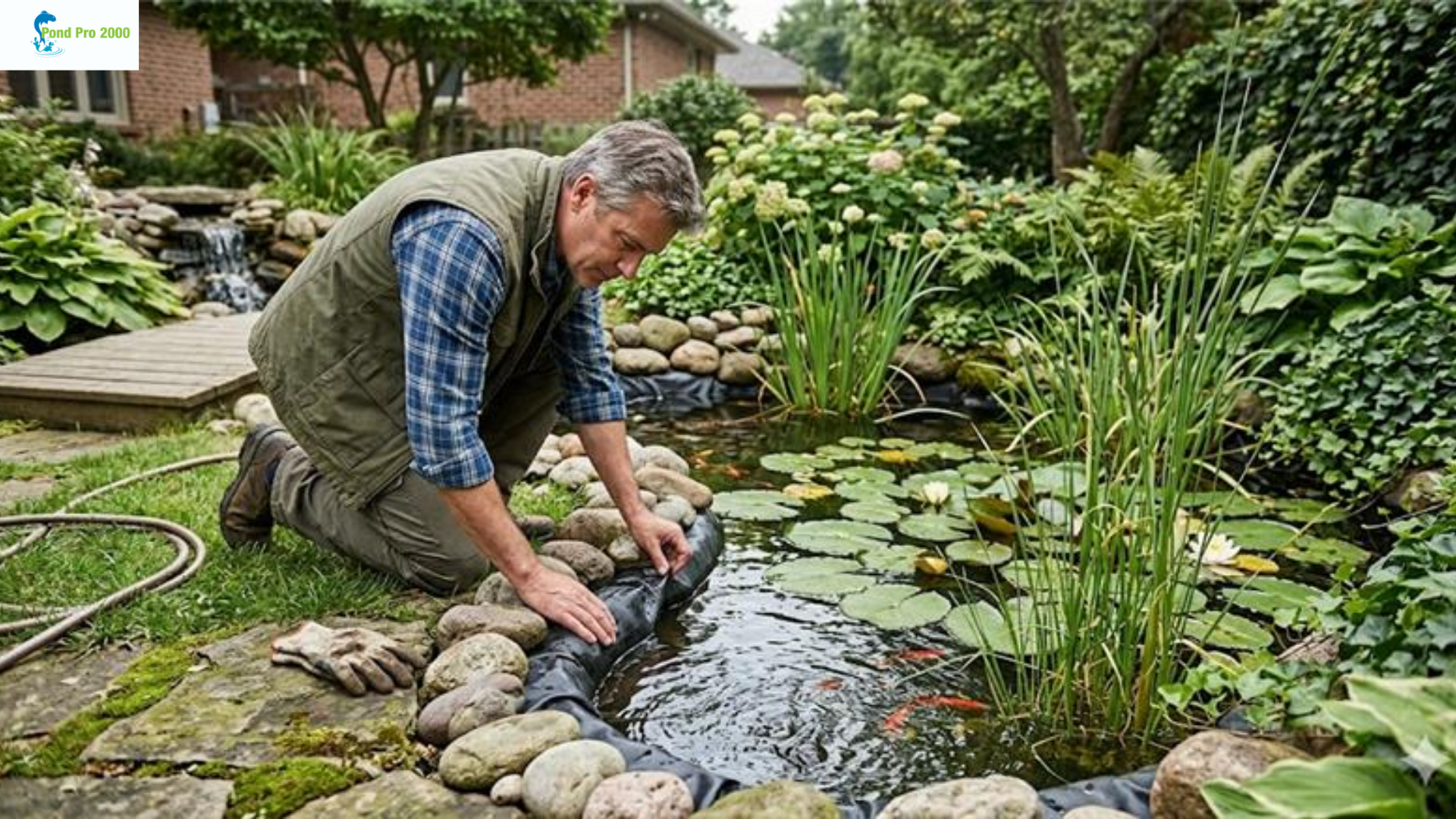
There’s nothing quite like the sound of running water in your backyard to help you unwind after a long day. But that peace disappears the moment you notice your water level is dropping. If you’ve been topping off your pond every few days, you aren’t just losing water – you’re losing your sanity. Whether it’s a hairline crack in a concrete fountain or a mysterious tear in a liner, dealing with a leak feels like a massive headache.
The good news? You don’t need to call in a professional crew or spend a fortune on a total renovation. With the right pond sealant and a free Saturday, you can get things back to normal. Here is a down-to-earth guide on using Pond Pro 2000 to save your water feature.
Finding the Culprit: Your First Step in Pond Repair
Before you start slathering on product, you have to find the “drain hole.” Usually, the easiest way is to let the water drop until it stops. Where the water line rests is usually where your leak is hiding. Check around the edges, especially near rocks or where pipes enter the pond.
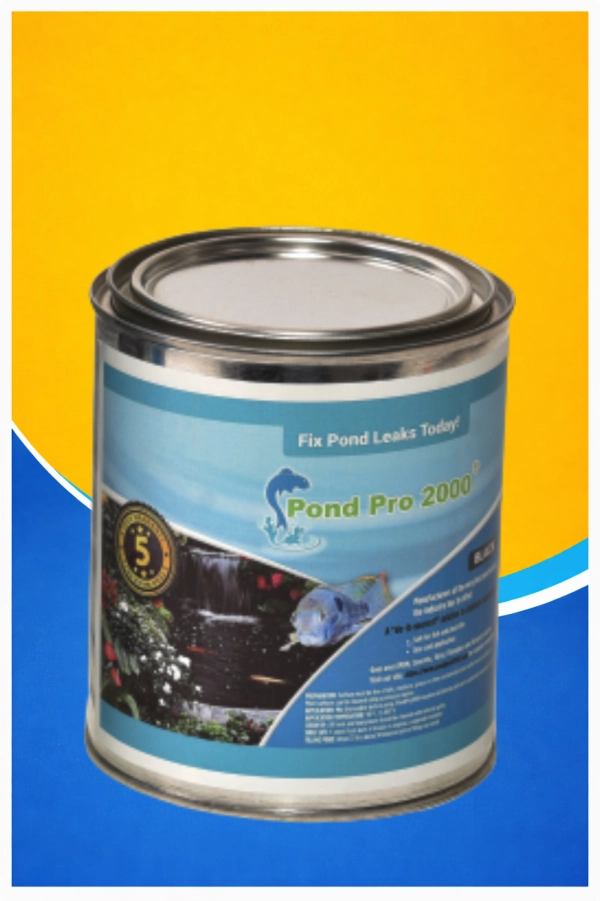
Once you’ve spotted the trouble area, it’s time to think about a permanent pond repair. Most people make the mistake of using “quick-fix” patches or hardware store glues. The problem is that those patches eventually peel away because they don’t actually bond with the surface. Pond Pro 2000 is different because it’s a liquid EPDM – it essentially melts into the existing surface to create a single, seamless skin.
Why You Shouldn’t Just Settle for Any Pond Sealer
If you’ve spent any time looking at hardware store shelves, you’ve seen dozens of “waterproof” coatings. But a pond is a tough environment. It’s constantly underwater, exposed to UV rays, and shifting with the temperature. Most DIY coatings are acrylic or water-based, which eventually bubble up and fail.
When picking a pond sealer, you want something that can handle “total immersion.” Pond Pro 2000 is the heavy hitter here. It’s fish-safe (no nasty chemicals leaching into the water), and it doesn’t care whether it’s 60°F or 300°F outside. It stays flexible, which is a lifesaver if you live somewhere where the ground freezes and thaws.
Getting the Groundwork Right
I’ll be honest: the actual painting part is easy. The prep work is where the magic happens. If you skip this, your sealant won’t stick, and you’ll be right back where you started.
- Scrub it down: Get rid of the algae, slime, and loose dirt. Use a stiff brush and plain water. Whatever you do, don’t use soap – it’s bad for your fish and ruins the bond.
- Dry it out: The surface needs to be dry. Liquid EPDM doesn’t like to play with standing water during application.
- Fill the big gaps: If you have a massive crack in your concrete, don’t just try to bridge it with liquid. Use rubex ms modified sealer first to fill the void. It’s designed to work perfectly with our pond sealant.
Putting It On: The “One and Done” Method
The best part about Pond Pro 2000 is that it’s a one-coat system. You aren’t going to be out there for three days straight waiting for layers to dry.
Concrete and Stone
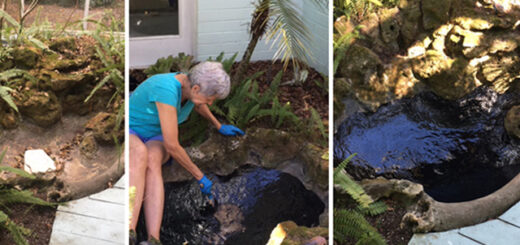
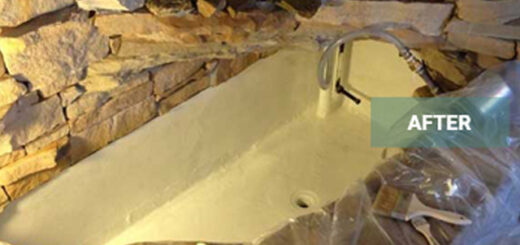
For a concrete pond, pour the mixed product out and use a roller to spread it. It’s a bit like painting a floor. Use a brush for the corners and tight spots. You want a nice, thick layer – think about the thickness of a few credit cards stacked together.
Fixing Old Liners
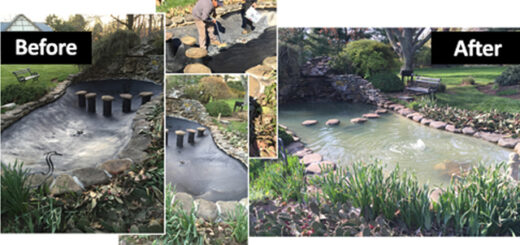
If your EPDM liner is looking a bit thin or has multiple leaks, you can actually coat the whole thing. The trick is to do a “flash coat” – a very thin layer first – to let the liner adjust. After that, you go in with your main coat. This creates a brand-new pond repair surface without the nightmare of hauling out an old, heavy liner.
The Waiting Game (It’s Shorter Than You Think)
One of the biggest worries with DIY pond work is the weather. “What if it rains?” Luckily, this stuff is waterproof in about 2-3 hours. If a surprise afternoon shower hits, you’re usually fine.
Just give it a full 24 hours to cure before you start pumping the water back in. If it’s a bit chilly out, give it a little extra time. You might see a slight color change once it’s submerged, but don’t worry – that’s just the chemistry doing its thing. It won’t hurt your plants or your fish.
A Permanent Fix for a Peaceful Pond
At the end of the day, you want to spend your time sitting by your pond, not working in it. Choosing a high-grade pond sealer is about more than just stopping a leak today; it’s about making sure you don’t have to do it again next year.
Because this is a liquid rubber, it stretches. As your pond settles or the concrete expands in the sun, the sealant moves with it instead of cracking. It’s a professional-grade fix that anyone can do.
Stop fighting with your water level. Grab some pond sealant, follow these steps, and get back to enjoying your backyard. If you’re ready to fix it for good, check out our full line of pond sealer options – we’re the only ones confident enough to offer a 10-year warranty on concrete repairs.