
The End of Pond Leaks: Is DIY Pond Liner Right for You?
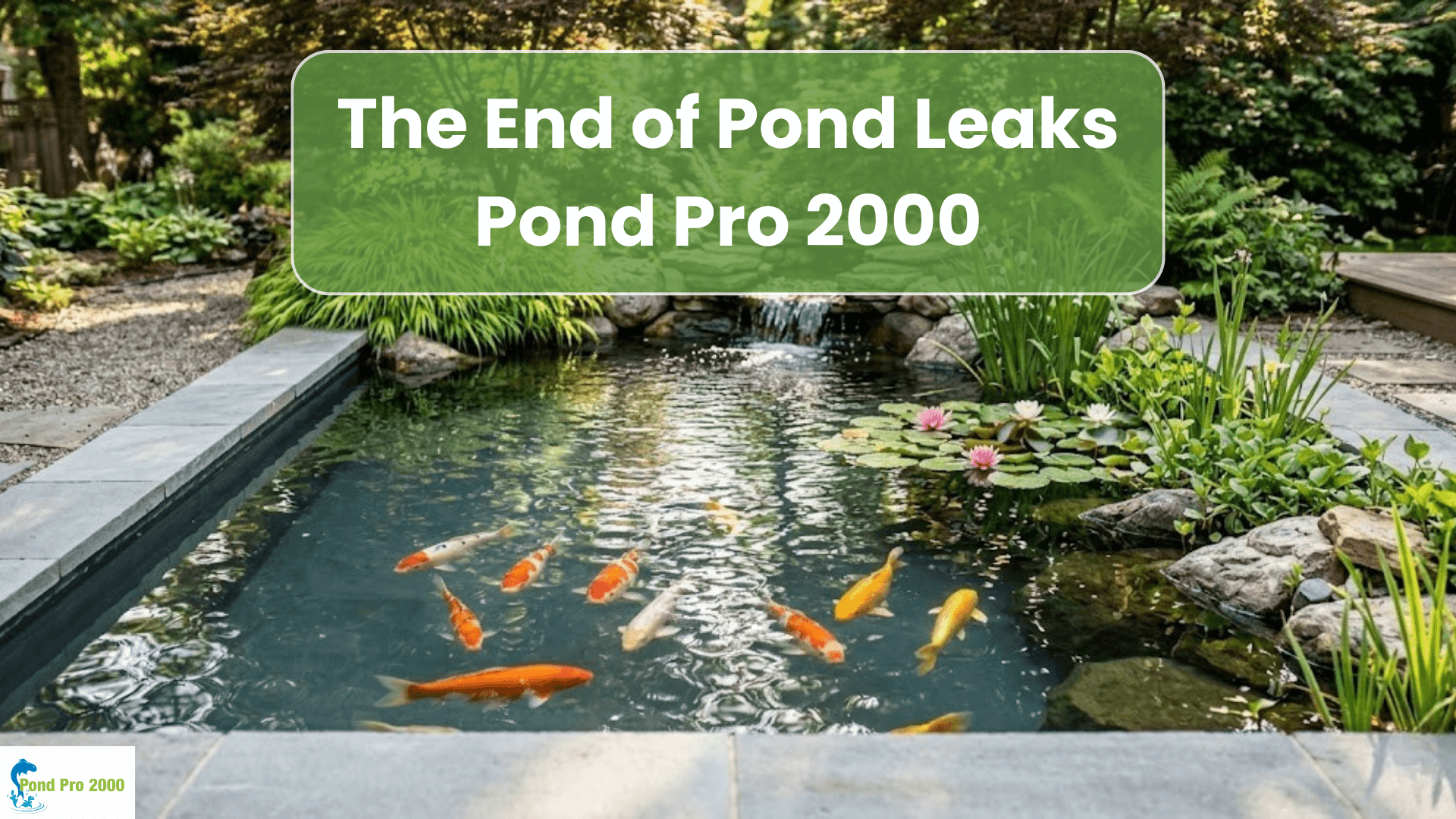
If you own a backyard pond, you know that specific sinking feeling when you look out the window and realize the water level has dropped six inches overnight. Suddenly, your peaceful sanctuary feels like a high-stakes plumbing project. Whether it’s a slow, annoying seep or a jagged crack in your concrete basin, a leaking pond is a massive headache.
In the past, fixing a leak usually meant two things: shelling out thousands for a professional crew or the back-breaking misery of ripping out rocks and plants to install a bulky, stiff rubber sheet.
Thankfully, things have changed. The rise of the liquid pond liner has completely flipped the script for DIYers. These liquid EPDM solutions give you a professional-grade seal without the need for heavy equipment. But is it actually the right move for your specific pond? Let’s break down why this is becoming the go-to for liquid pond liner fixes and how you can handle the repair yourself without losing your mind.
Why Traditional Pond Liners Usually Let You Down
Most ponds use PVC or standard EPDM rubber sheets. They work—until they don’t. The “Achilles’ heel” of these materials is always the seams and the folds. Over time, as the ground shifts or the sun beats down, those sheets get brittle. They pull at the edges, and once a seam starts to go, you’re essentially fighting a losing battle with adhesive tape.
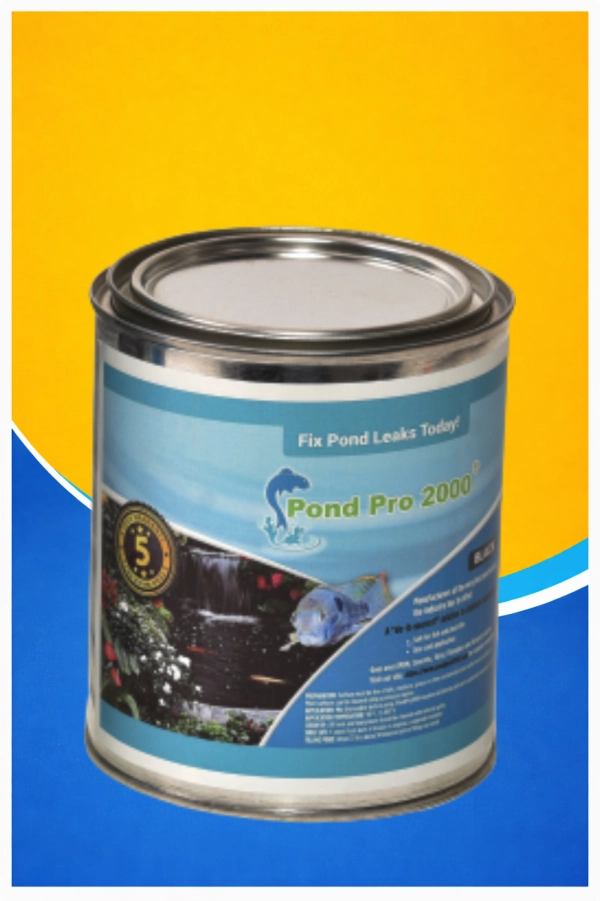
This is exactly where pond leak repair products like Pond Pro 2000 step in. Instead of just sitting on the surface of your pond, a liquid liner chemically bonds to the pond’s surface. It creates one single, continuous membrane. No seams to peel back, no folds to trap stinking debris, and no “weak spots” for water to sneak through. It’s basically like giving your pond a custom-fit suit that’s bonded to its skin.
The Reality of Using a Liquid Pond Liner
One of the most common things I hear from DIYers is, “Will this actually stick to my pond?” The versatility of liquid EPDM is actually its best feature. It’s not just for patching up old rubber; it’s a literal lifesaver for all sorts of tricky surfaces:
- Concrete and Stone: It’s the undisputed champ for when you need to seal concrete pond structures that have developed those tiny, hairline fractures.
- Metal and Fiberglass: Perfect for those old-school fountains or pre-formed fiberglass shells that have started to spiderweb with cracks.
- Old EPDM: You can actually coat an entire old liner, giving it a second life for another decade instead of dragging it to the landfill.
How to Properly Seal Concrete Pond Structures
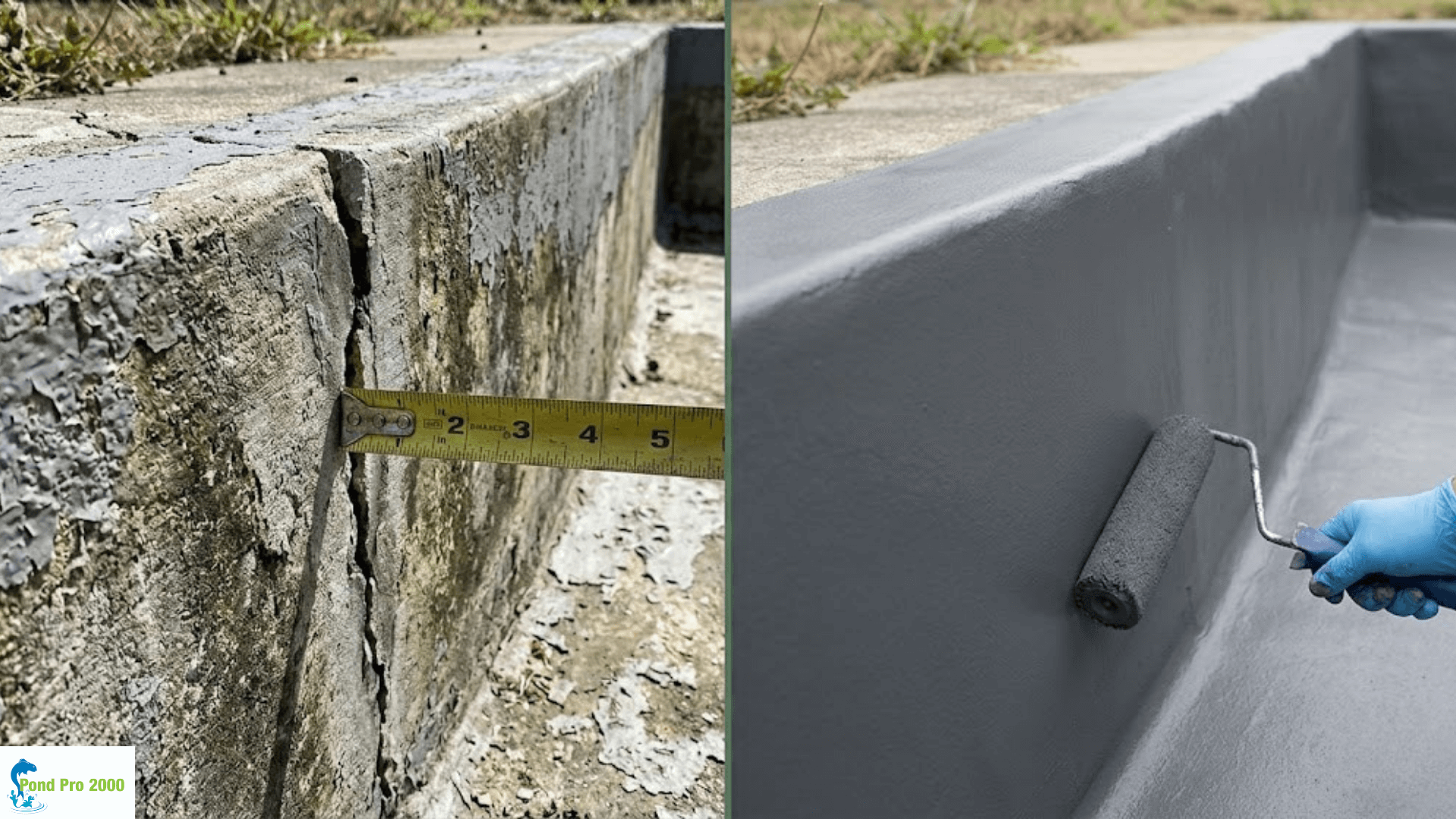
Concrete ponds look incredible, but they are notorious for leaking. Concrete is porous and rigid—it hates moving. When the ground freezes and thaws, concrete cracks. If you try to fix it with standard “pond paint,” you’ll have to do it again in six months because paint doesn’t stretch.
To seal concrete pond surfaces so they actually stay sealed, you need “elongation.” That’s just a fancy word for stretch. Pond Pro 2000 is designed to expand and contract right along with the concrete. Here’s the real-world DIY approach:
- Prep is 90% of the job: The concrete has to be clean and dry. If you just poured new concrete, you’ve got to be patient—wait at least 28 days for it to cure before you even think about sealing it.
- Scrub, Don’t Spray Chemicals: Use a stiff brush and plain old water to remove the algae and gunk. Don’t use detergents. Any leftover soap residue will ruin the bond and, more importantly, harm your fish.
- The One-Coat Wonder: Most systems require a primer, then a base, then a topcoat. Pond Pro 2000 is a one-and-done deal. It goes on roughly 10 times as thick as paint, automatically filling in all those tiny nooks and crannies.
Picking the Right Pond Leak Repair Products
If you search for pond leak repair products online, you’ll get a million results. But if you want to do this once and never think about it again, the product has to hit these three marks:
1. Is it Fish Safe?
This is the big one. Many industrial sealants contain nasty chemicals that leak into water for years. Since your pond is a living ecosystem, you need a liner that is 100% non-toxic once it’s cured. Pond Pro 2000 is environmentally friendly, so your koi and lilies stay happy.
2. Can it Handle the Weather?
Many DIY repairs fail because the sealant becomes brittle in winter or “gummy” in summer heat. You want a liquid EPDM that can handle the extremes—we’re talking -62 to 350 degrees Fahrenheit. If it can handle that, it can handle your backyard.
3. Will the Sun Kill It?
UV rays are the number one killer of pond liners. They cause oxidation, which thins the material and causes it to crack. PondPro2000’s liquid liner is naturally UV-stable. That’s why it lasts for years rather than months.
Step-by-Step: Your DIY Weekend Project
Ready to use a liquid pond liner? Here is the “no-fluff” guide to getting it done:
- Find the Leak: Monitor the water level. Once it stops dropping, the leak is right at that waterline.
- Clean it Up: For old liners, scrape off the loose bits. For concrete, use a wire brush to “rough up” the surface so the liquid has something to grab onto.
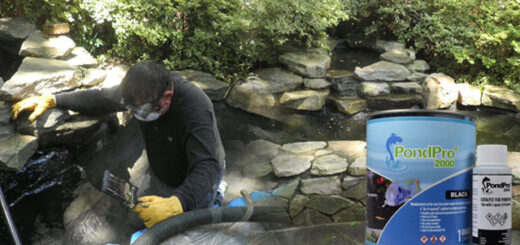
- Mix it Right: The product comes with a catalyst. Mix it thoroughly—this starts the chemical reaction that creates the permanent bond.
- Apply: Grab a brush for the corners and a 3/8-inch nap roller for the big sections. Don’t overthink it; get an even coat down.
- Let it Cure: It’s rain-safe in about 3 hours, but give it a full 24 hours before you start filling the pond back up.
Is DIY Right for You?
Let’s be honest: not everyone wants to spend their Saturday morning in a pond basin. But if you’re looking to save a few thousand dollars and you want the job done right, doing it yourself is the way to go. If you can use a paint roller, you can do this.
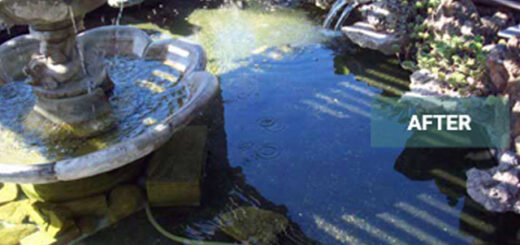
The best part isn’t even the money you save—it’s the end of the “top-off” cycle. No more dragging the garden hose out every three days to refill a leaking pond. You’re using pond leak repair products that actually work the first time.
Wrapping It Up
A leak doesn’t have to mean the end of your pond. Whether you need to seal concrete pond cracks or want to give an old rubber liner a total makeover, a high-quality pond sealant is the smartest investment you can make.
Stop stressing about the water level and start enjoying your backyard again. Check out pond pro 2000 to grab a kit and get your pond back in shape. Your backyard oasis is waiting.