
How to Fix Pond Leaks and Repair Cracks in Your Pond
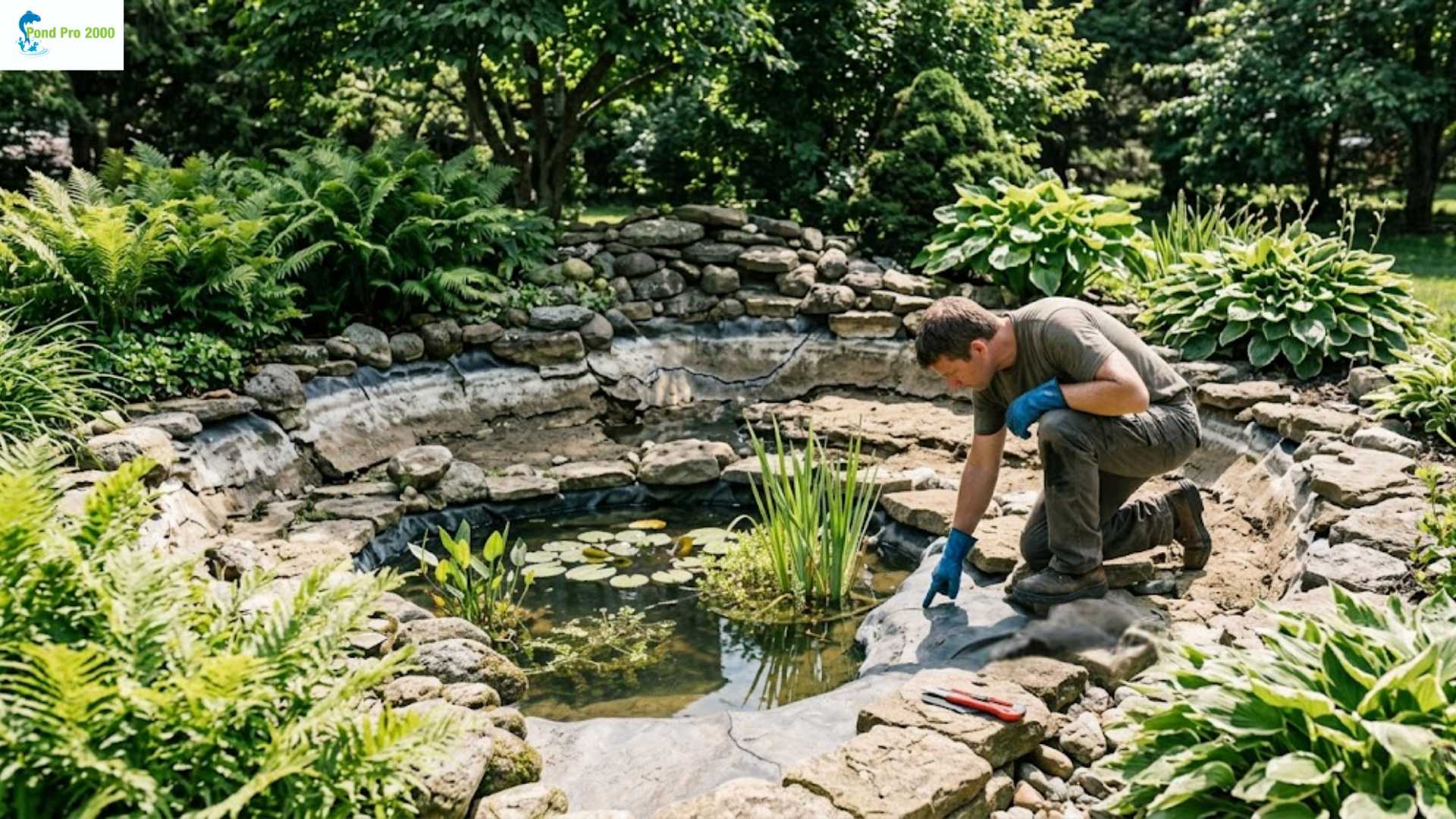
Let’s be real for a second. There is absolutely nothing that ruins a relaxing weekend morning faster than walking out to your backyard with a cup of coffee, looking down at your beautiful water feature, and realizing the water level has dropped. Again.
Dealing with pond leaks is enough to make any property owner want to pull their hair out. You spend a ridiculous amount of time, money, and backbreaking effort building this gorgeous backyard oasis. You stock it with fish, you carefully balance the plants, and then suddenly, you’re stuck playing a miserable, never – ending game of hide – and – seek with an invisible crack.
First, you go through the denial phase. You tell yourself it’s just evaporation from the hot sun. Or maybe the fountain is splashing too much water out of the basin. But after a few days of dragging the hose out to top it off, reality sets in. You leak. And the worst part? Trying to find the exact spot where the water is escaping is like looking for a needle in a haystack.
The Problem with the “Patch It” Mentality
When most people realize their pond is losing water, their first instinct is to drain it down, find the suspect area, and slap a patch on it. It seems logical, right?
But here is what usually happens. You drain the water, which stresses out your fish and wrecks your plant life. You find a spot that looks a little worn, glue a patch over it, and refill the pond. You pat yourself on the back. Then, three weeks later, you walk outside, and the water level is dropping again.
Why does this happen so often? Because rubber liners don’t just get one clean puncture and remain perfectly fine everywhere else. As liners age, they get constantly battered by harsh UV rays from the sun. Then winter hits, and the freezing-and-thawing cycle stretches the material. Over the years, the entire liner dries out and gets brittle. Instead of one big, obvious hole, you usually end up with dozens of microscopic, hairline fractures scattered everywhere.
When you try to spot-treat these tiny cracks, you are fighting a completely losing battle. The rest of the liner is still old, stressed, and ready to tear. So, what is the alternative? Do you really have to tear out the whole thing, throw away the old liner, and spend thousands of dollars starting from scratch? No. You need to resurface the entire thing with a product that actually works.
Why Other Pond Sealants Fail
If you start searching online for a reliable pond sealant (and hey, we know typos happen when you are frantically googling for a sealant!), you will see tons of cheap options. If you drive down to your local big-box hardware store, the shelves are packed with water-based acrylics and elastomeric paints that promise to fix everything.
Save your money. Seriously. Avoid the cheap stuff.
Here is the dirty little secret about those cheap coatings: they act exactly like a thick layer of paint. They sit passively on top of your old liner. Because they are water-based, they aren’t designed to handle being completely submerged underwater 365 days a year. When winter rolls around and the ground shifts, those rigid, cheap coatings bubble up, crack, and peel right off in huge sheets. Within a year, you are right back where you started, except now you have a giant mess of peeling paint to deal with.
The One-Coat Fix That Actually Works
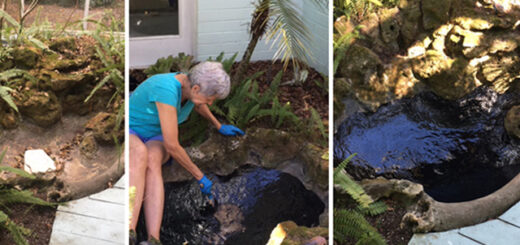
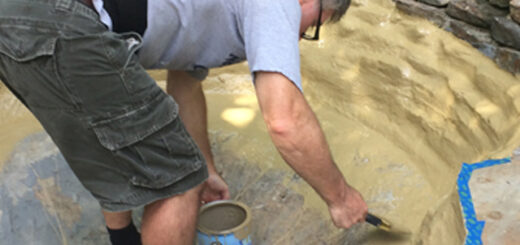
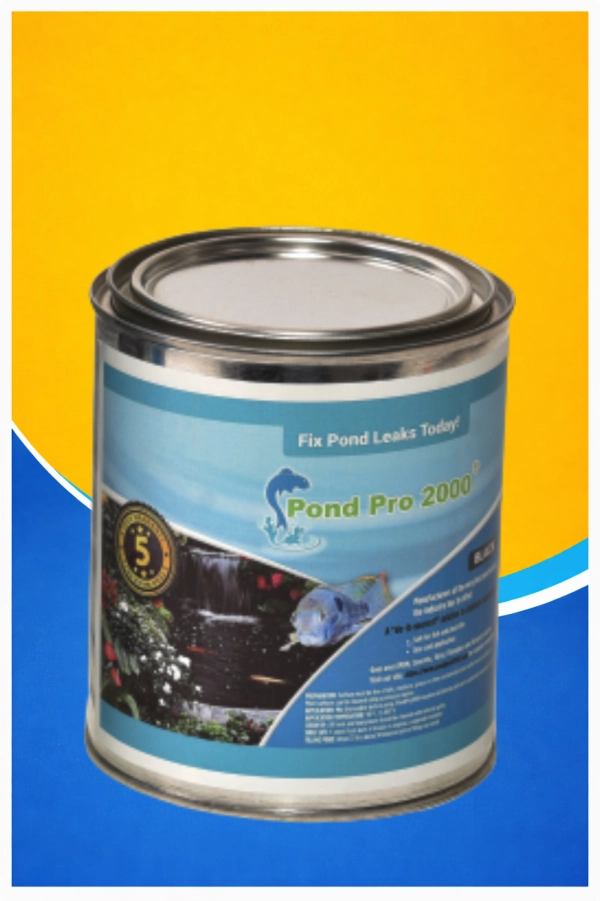
If you want a permanent fix – something that actually lets you sleep at night – you need a product that physically fuses to your existing surface. That is exactly why Pond Pro 2000 completely changes the game for DIY pond repair.
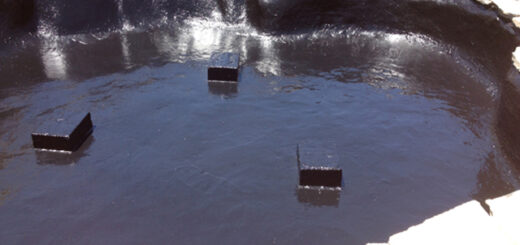
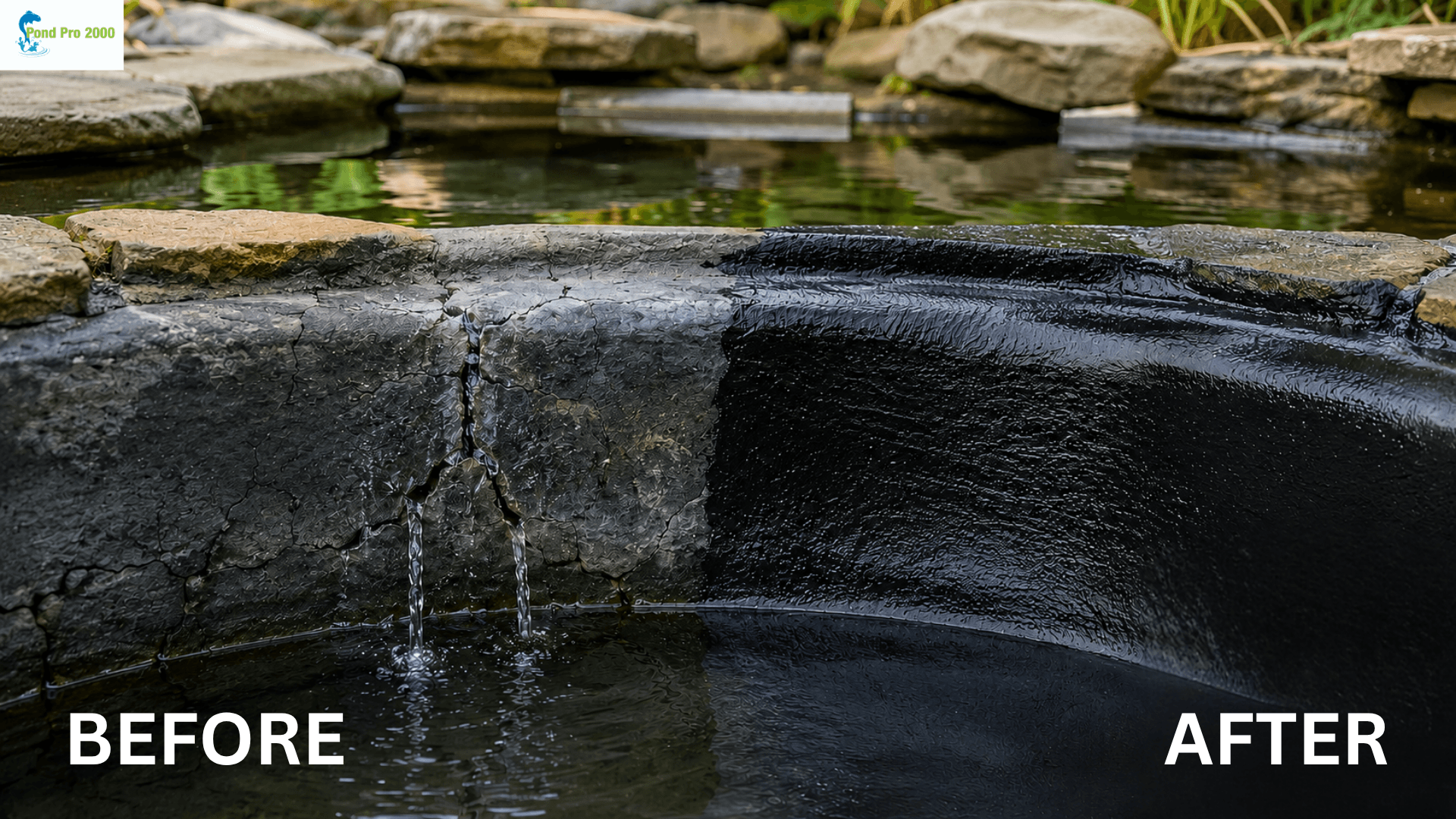
This isn’t just another bucket of paint. It is a 100% liquid butyl rubber. The chemistry behind it is what makes it so entirely different from anything else out there. Because it is a solvent-based liquid rubber, it has a built-in catalyst. When you roll it onto your pond surface, it doesn’t just sit on top. It actively pushes out trapped air and chemically cross-links with your existing liner or concrete.
It basically melts into the old material, creating a single, thick, seamless membrane. It is so ridiculously tough that it actually comes with a 20-year manufacturer’s warranty. That is basically unheard of in the water feature industry. Doing this one simple application usually adds a solid 10 to 15 years to a pond’s life.
But What About My Fish?
Look, I get it. If you have a stocked pond, your absolute biggest worry is your fish. You do not want to fix a leak only to accidentally introduce harsh chemicals that harm your koi, frogs, or expensive aquatic plants.
You can breathe easy. Once this liquid butyl rubber is fully cured, it is completely non-toxic and 100% safe for your entire aquatic ecosystem. It won’t leach anything into the water. Your turtles, tadpoles, and fish will be perfectly happy.
Mother Nature Doesn’t Care About Your Schedule
If you have ever done an outdoor DIY project, you know the sheer panic of seeing dark rain clouds roll in right after you finish working.
Because this liquid rubber isn’t water-based, it dries incredibly fast. As long as the temperature is above 55 degrees, the material completely waterproofs itself in just two hours. That means a sudden, unexpected afternoon rain shower isn’t going to wash your hard work down the drain. No other pond coating can do that. And once it is fully cured, it handles extreme weather like a champ, remaining flexible in freezing temperatures down to – 62°F and holding up in blazing heat up to 350°F.
Stop driving yourself crazy looking for microscopic cracks. Stop buying cheap patches that peel off the second the water freezes. Stop draining and refilling your pond every month. Do it the right way: resurface the entire thing with a chemical-bonding liquid rubber, and get back to actually enjoying the beautiful backyard oasis you worked so hard to build.