
DIY Guide: Make Your Pond Safe, Attractive, and Useful for Water Storage
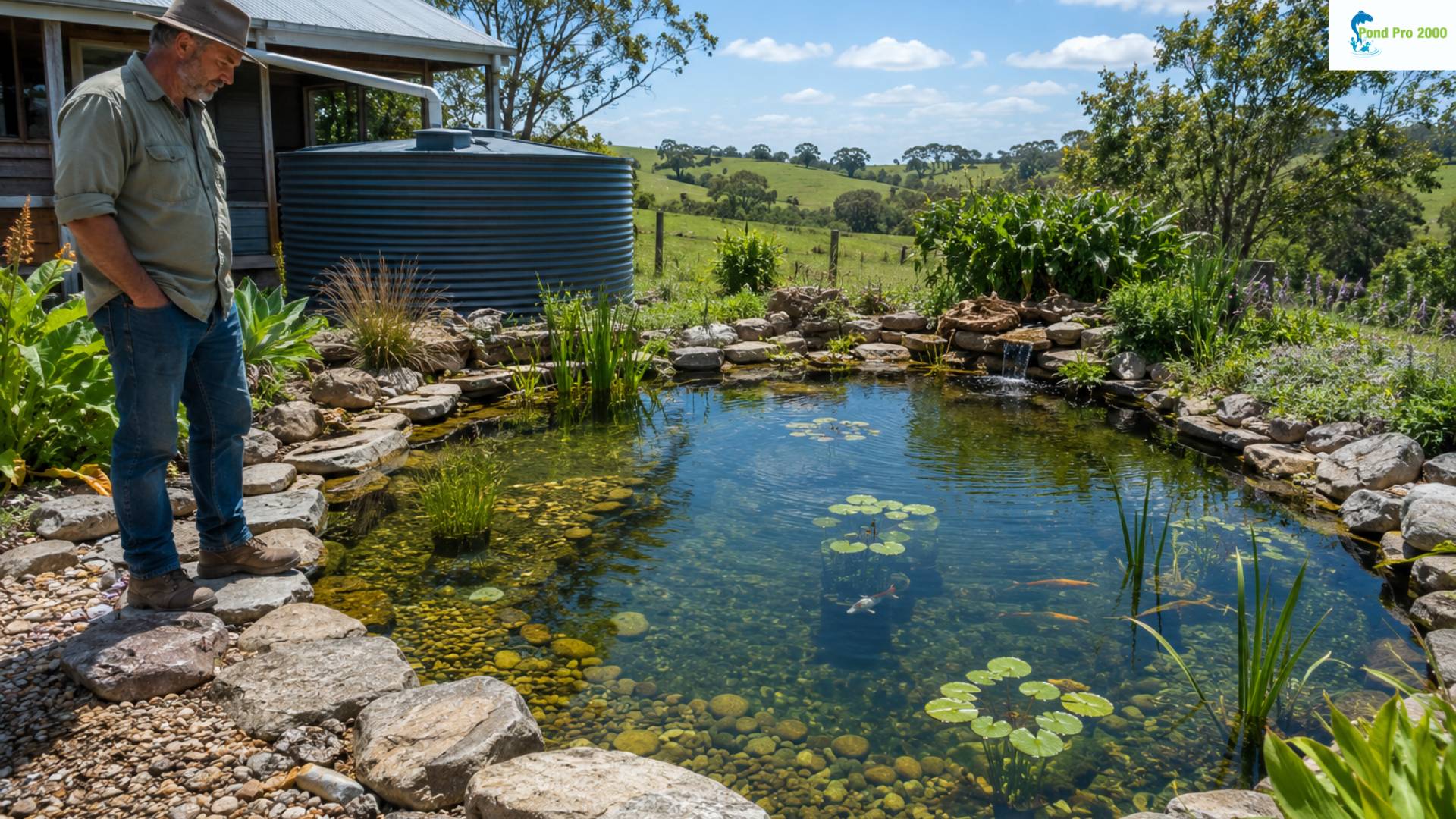
A few years ago, I visited a property where the owner kept complaining that his pond was “shrinking.” At first, he thought it was just because of the Texas heat. Then he blamed evaporation. A few months later, he was adding water almost every week and still couldn’t keep the level where he wanted it.
When we walked around the pond together, the problem became pretty obvious. The shoreline had started to deteriorate in a few places, and there were signs that water had been escaping for quite some time.
What struck me most wasn’t the leak itself. It was the fact that he had gotten so used to the problem that it felt normal. That happens more often than people realize. Many pond owners live with issues for months – or even years – before deciding to do something about them.
Maybe the water level drops a little faster than it used to. Maybe one side of the pond always seems muddy. Maybe the banks are getting steeper and less stable every season. Individually, none of those things seem urgent. Together, they usually point to a pond that’s asking for attention.
Your Pond Should Work for You
A lot of people install a pond because they like the way it looks. And honestly, that’s a perfectly good reason.There’s something relaxing about walking outside in the evening and seeing calm water reflecting the sky. It changes the feel of an entire property. But a pond can be more than just something nice to look at.
Some people use their ponds as a backup water source. Others rely on them for irrigation. I’ve even met property owners who originally built a decorative pond and later realized it could serve several practical purposes if they improved its condition. The challenge is that none of those benefits matter if the pond can’t consistently hold water.
The First Thing I Look For
Whenever somebody tells me their pond is losing water, I always ask the same question: “How long has it been happening? Most of the time, the answer isn’t days. It’s months. Sometimes years.
The reason is simple. Pond problems usually develop gradually. Unlike a burst pipe, a pond leak rarely announces itself. You don’t wake up one morning and find the pond empty. Instead, you notice little things. You add water slightly more often. The shoreline changes shape. Plants start growing in places that are used to stay underwater. Those small clues are easy to ignore until the problem becomes impossible to overlook.
Why Quick Fixes Usually Become Expensive Fixes
I completely understand the temptation. You spot a problem and immediately start looking for the fastest solution possible. Most of us do.
The problem is that ponds tend to expose shortcuts. I’ve seen people throw multiple patch products at the same leak over several seasons. Every spring, they’d try something new. Every summer, they’d still be adding water.
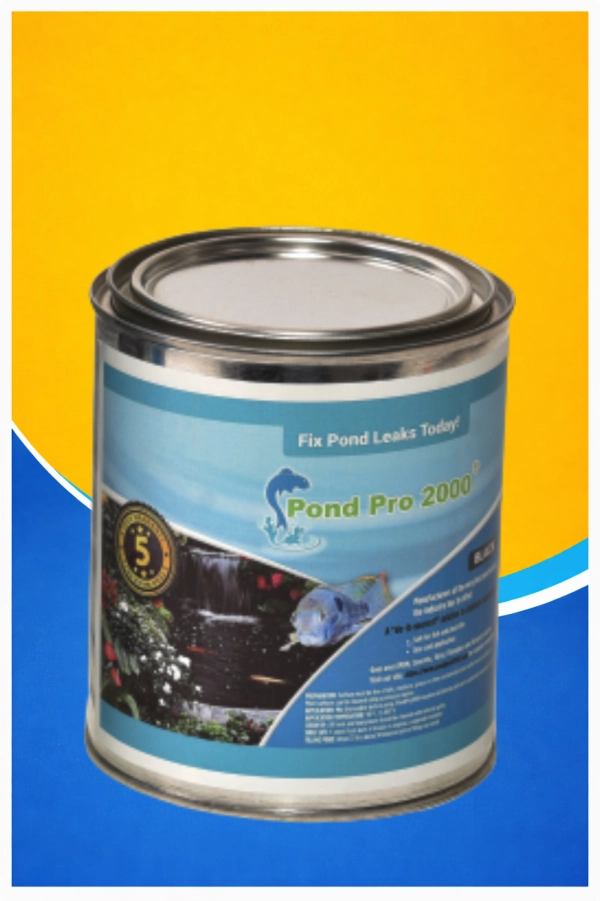
Eventually, they spent more money on temporary fixes than they would have spent solving the issue correctly in the first place. That’s one reason many property owners eventually start researching long-term waterproofing options like those available from Pond Pro 2000. Not because they’re looking for another temporary repair. Because they’re tired of repairing the same area over and over again.
Safety Matters More Than Most People Think
One thing that doesn’t get discussed enough is pond safety. Most people focus on the water. I usually focus on the edges. That’s where many problems begin. A steep bank might not seem like a concern until someone slips after a rainstorm. An eroded shoreline may look harmless until it starts getting worse each year. I’ve seen ponds that looked beautiful from a distance but became difficult to walk around once you got closer.
A safe pond isn’t necessarily a complicated pond. It’s simply a pond that’s maintained consistently. Stable banks. Predictable water levels. No obvious signs of deterioration. Those things make a bigger difference than most people realize.
The Goal Isn’t Perfection
This is probably the most important thing I can tell any pond owner. Your pond doesn’t have to be perfect. It doesn’t need to look like something from a luxury resort brochure. It just needs to do its job. Hold water. Stay safe. Look clean. Serve a purpose.
Whether that purpose is irrigation, water storage, wildlife habitat, or simply giving you a nice place to sit at the end of the day, reliability matters more than perfection.
Final Thoughts
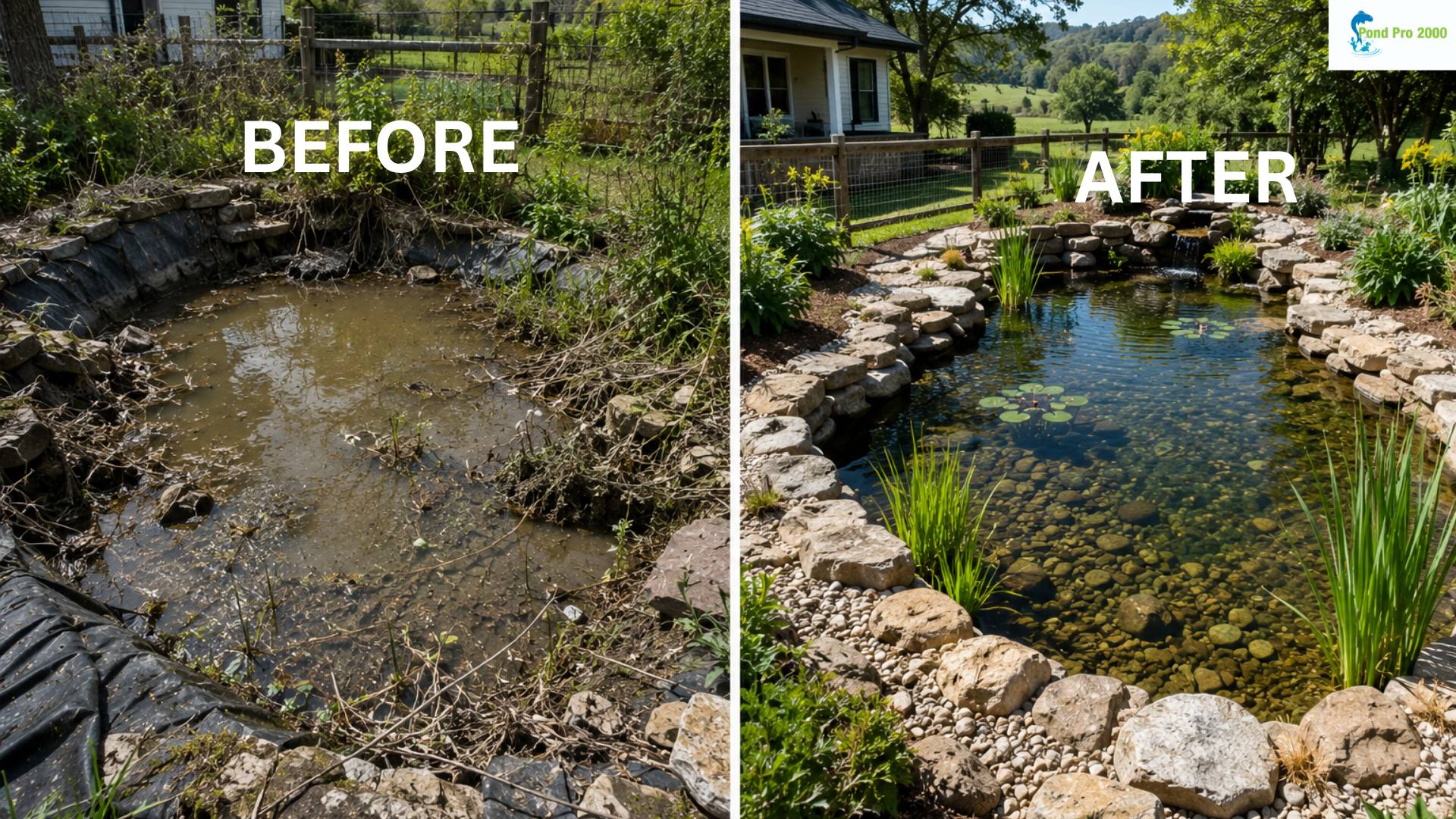
Every pond has a personality. Some are old farm ponds that have been around longer than the current owner. Others were built recently and still look brand new. But almost all ponds have one thing in common. They reward attention. The owners who regularly inspect their ponds, address small issues early, and invest in proper pond repairs are usually the ones who enjoy their ponds the most. If you’ve been putting off repairs because the problem doesn’t seem serious enough yet, don’t wait until it becomes serious.
A little attention now can save a lot of frustration later. And if your goal is to create a pond that’s attractive, dependable, and useful for long-term water storage, starting with a proper evaluation today is often the best decision you can make.